
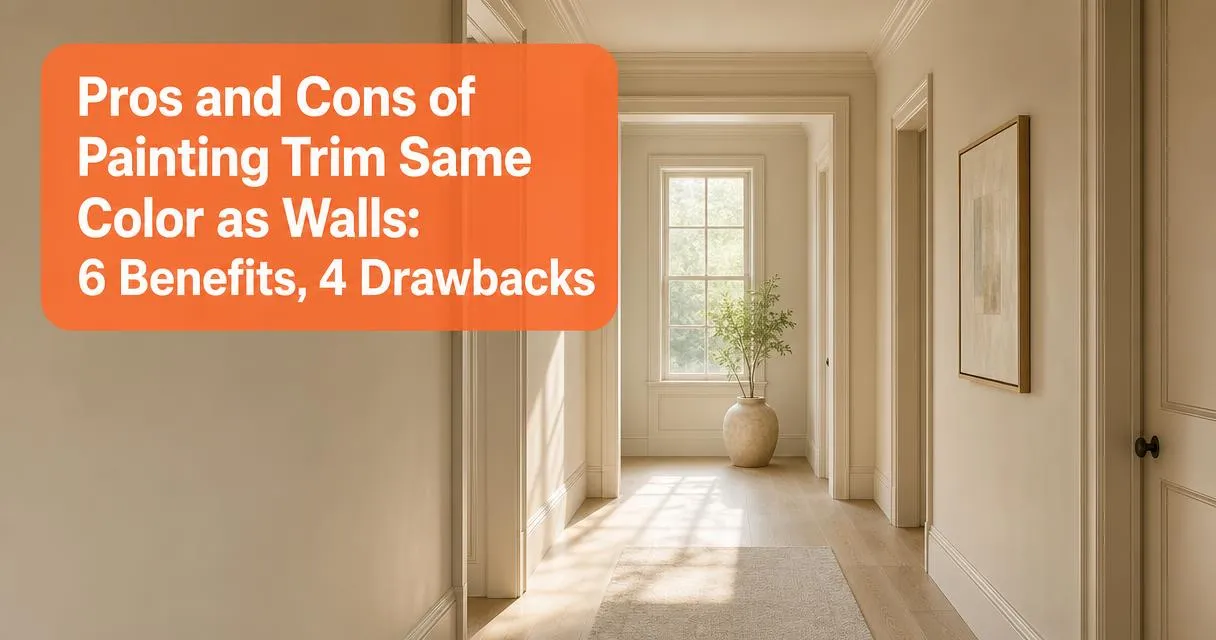
You’re staring at your living room trim wondering if painting it the same color as your walls will modernize the space or just look unfinished. The answer depends on your room’s natural light, trim quality, and whether you want architectural details to stand out or disappear. Light and trim quality determine the final result more than any design trend.
Key Takeaways
- Same-color trim erases visual breaks and makes small rooms feel larger by eliminating the stop-and-start effect of contrasting borders
- Use consistent paint finish across walls, trim, and doors to avoid subtle sheen differences that create unintended contrast
- Flat or matte finishes hide surface imperfections in both drywall and trim; eggshell adds subtle dimension without breaking the monochromatic effect
- Same-color paint amplifies gaps and uneven seams on damaged trim or poorly fitted carpentry
- Bathrooms and hallways work well for same-color treatment; busy family rooms with heavy traffic may show more wear
- Contrasting trim highlights craftsmanship in historic homes and adds brightness to low-light rooms
- Same-color means repainting the full room, making future color changes more expensive
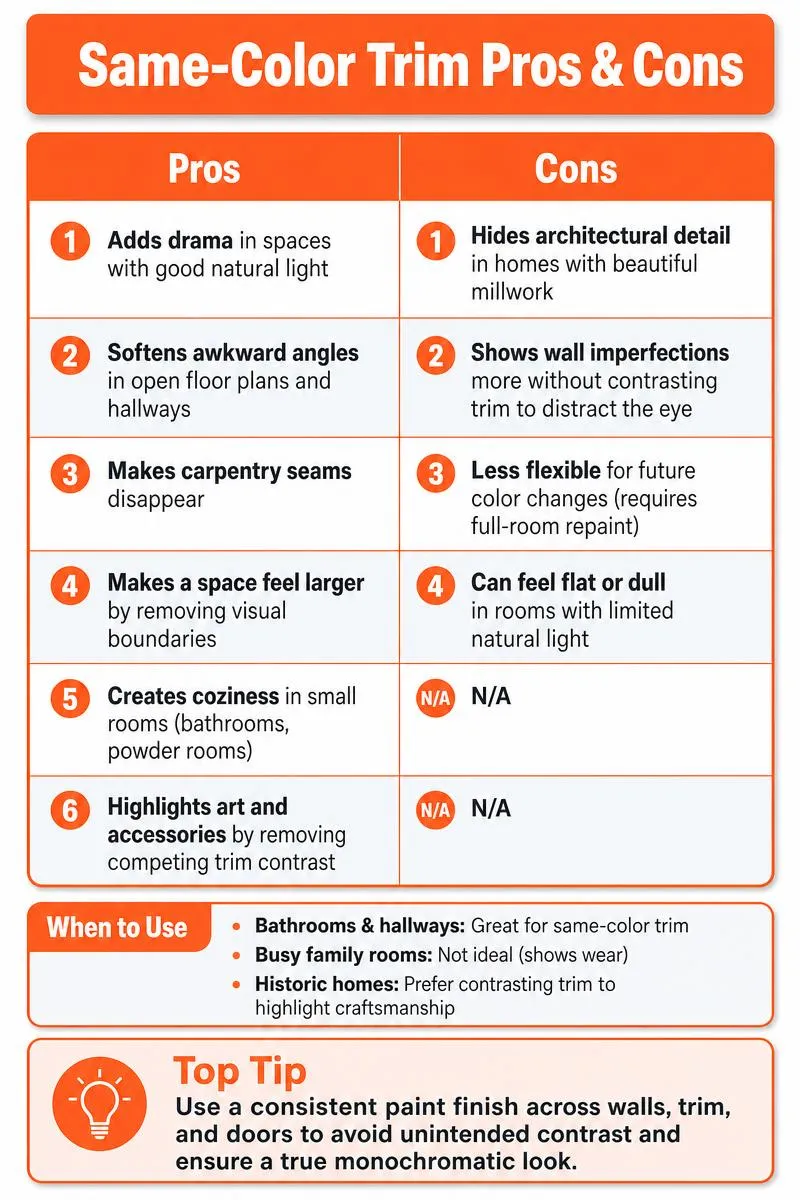
Pros And Cons Of Painting Trim Same Color As Walls Compared
| # | Pros | Cons |
|---|---|---|
| 1 | Adds drama in spaces with good natural light | Hides architectural detail in homes with beautiful millwork |
| 2 | Softens awkward angles in open plans and hallways | Shows wall imperfections more without contrasting trim |
| 3 | Makes carpentry seams disappear | Less flexible for future color changes |
| 4 | Makes a space feel larger by removing visual boundaries | Can feel flat or dull in low-light rooms |
| 5 | Creates coziness in small rooms (bathrooms, powder rooms) | N/A |
| 6 | Highlights art and accessories by removing competing trim contrast | N/A |
What Is Painting Trim the Same Color as Walls?
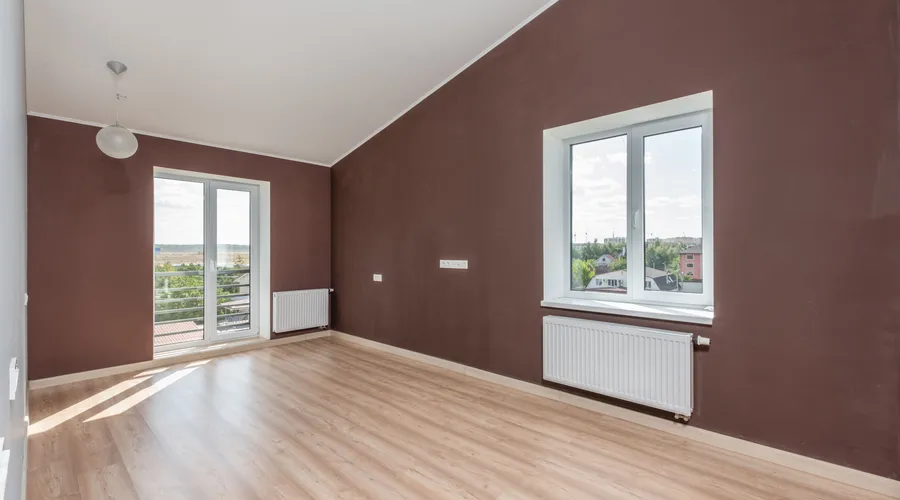
Painting trim the same color as walls means your baseboards, door casings, crown molding, and doors share one paint color with no contrasting borders. Designers call this color drenching or monochromatic painting. The technique removes visual interruptions that traditionally define where walls end and trim begins.
This approach shows best results on smooth drywall paired with well-fitted trim and simple door profiles. Intricate moldings or trim with visible gaps lose their camouflage effect when everything matches. Most contractors use Sherwin Williams or Benjamin Moore paints in flat, matte, or eggshell finishes since these sheens minimize texture differences between drywall and wood surfaces.
Related Reading
Best paint for interior doors and trim
A detailed guide on paint types and finishes specifically for doors and trim, with recommendations ideal when deciding…
What Is Contrasting Trim?
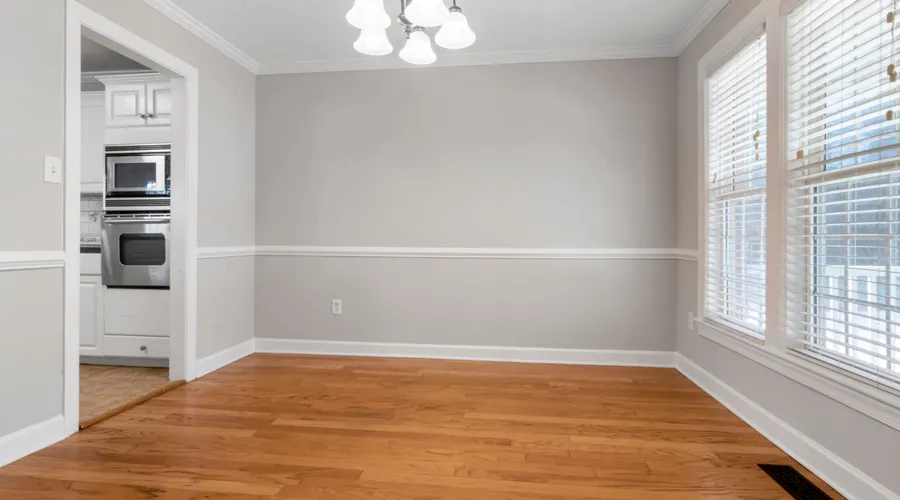
Contrasting trim uses white or a distinctly different color on baseboards, casings, and doors while walls carry a separate hue. This traditional approach defines architectural details and creates clear transitions between rooms or wall sections.
Historic homes, detailed moldings, and rooms with distinct zones benefit most from contrasting trim. The color difference highlights craftsmanship that would otherwise blend into the background. A common pairing puts warm white trim like Sherwin Williams Alabaster against mid-tone wall colors, giving the eye clear stopping points that make millwork pop.

Pros of Same-Color Trim
The benefits of matching trim to walls go beyond aesthetics. Room size, natural light, and trim condition determine how well it works in practice.
1. Adds Drama in Spaces With Good Natural Light
Rooms flooded with sunlight can handle bold, saturated colors on every surface without feeling cave-like. Deep blues, rich greens, and warm terracottas create an enveloping effect when walls and trim match. The monochromatic treatment intensifies color impact since there’s no white trim to dilute it.
2. Softens Awkward Angles in Open Floor Plans and Hallways
Open-concept spaces often have wall segments that jut out, partial walls, or short sections where doors interrupt the flow. Contrasting trim on these fragments creates a choppy look. Same-color treatment unifies these interruptions so your eye moves smoothly across the space.
3. Makes Carpentry Seams Disappear
Imperfect miter cuts, visible caulk lines, and trim gaps stand out less when everything shares one color. Paint camouflages joinery flaws that would be highlighted by the hard edge between white trim and colored walls. This matters most in newer construction or DIY trim installations where seams may not be perfectly tight.
4. Makes a Space Feel Larger by Removing Visual Boundaries
White trim creates a frame effect that boxes in wall color and defines room edges. Eliminating that frame lets walls appear larger since there’s no contrasting border marking where the surface ends. Small bedrooms, narrow hallways, and compact bathrooms gain perceived square footage when trim blends into walls.
5. Creates Coziness in Small Rooms Like Bathrooms and Powder Rooms
Tiny spaces benefit from the wrapped, cocoon-like feeling that same-color walls and trim deliver. A powder room painted entirely in a soft sage or dusty blue feels intentionally intimate rather than cramped. The monochromatic envelope makes small dimensions feel deliberate instead of like a limitation.
6. Highlights Art and Accessories by Removing Competing Trim Contrast
White trim draws the eye even when you want focus elsewhere. Matching trim to walls creates a quiet backdrop that lets artwork and furniture take priority. This works especially well in gallery-style spaces or rooms where you’ve invested in standout pieces.
Cons of Same-Color Trim
Same-color trim has real limitations. The drawbacks reduce detail and expose flaws in certain conditions.
1. Hides Architectural Detail in Homes With Beautiful Millwork
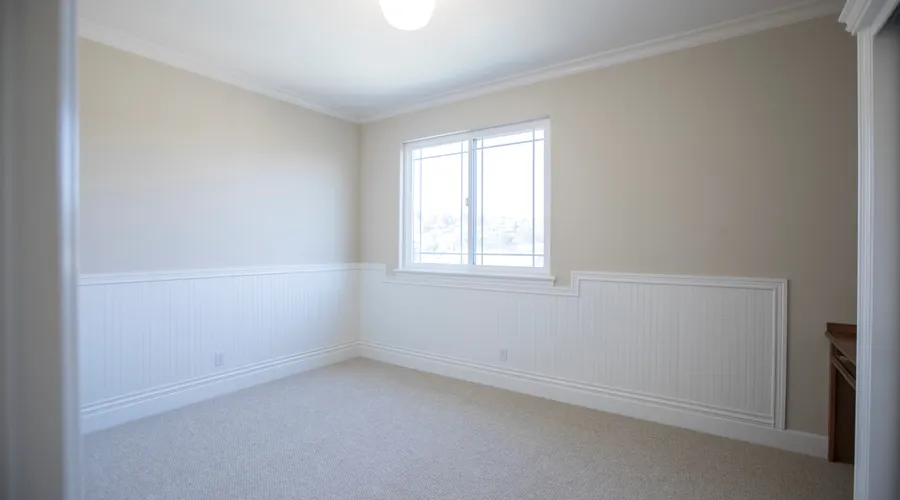
Historic homes with crown molding, picture rails, wainscoting, or detailed casings lose their character when trim blends into walls. Craftsmanship disappears under monochromatic paint since the eye needs color contrast to register depth and dimension in carved or layered woodwork. If you paid for or inherited quality millwork, contrasting trim lets you actually see it.
2. Shows Wall Imperfections More Without Contrasting Trim to Distract the Eye
Drywall flaws, uneven texture, and patched nail holes become more visible when there’s no white trim to redirect attention. Walls become the only focal surface, and any inconsistencies in flatness or finish stand out. This matters most with eggshell or satin sheens that reveal texture differences.
3. Less Flexible for Future Color Changes
Changing your mind means repainting trim, doors, walls, and casings instead of just rolling new color on walls. Full-room repaints cost significantly more than wall-only updates since trim work requires more cutting in, taping, and detail work. If you like changing wall colors every few years, contrasting white trim gives you that flexibility.
4. Can Feel Flat or Dull in Rooms With Limited Natural Light
Basements, north-facing rooms, and spaces with small windows lose dimension when everything matches. Without natural light to create shadows and depth, monochromatic rooms read as one-dimensional. White or light-colored trim adds brightness and breaks up the monotony in these darker spaces.
Related Reading
Focused review of durable paint options and finishes for interior doors, helpful for readers weighing trim color…
Which Should You Choose?
Your room type, trim condition, and natural light determine which approach works best.
- Small bathrooms and powder rooms work well for same-color treatment. The wrapped effect makes tight dimensions feel cozy, and the simple backdrop lets fixtures stand out without clutter.
- Open-concept living areas with multiple partial walls and doorways look cleaner when trim matches walls. The unified palette ties together spaces that might otherwise feel chopped up.
- Historic homes with detailed trim need contrasting paint to showcase the craftsmanship. Crown molding, picture rails, and intricate casings lose their impact when they blend into walls.
- Rooms with lots of art or furniture benefit from same-color walls and trim. The unified backdrop lets possessions take center stage instead of competing with white trim lines.
- Low-light basements need the brightness that contrasting white trim provides. White or light trim reflects available light and adds visual breaks that help the space feel less cave-like.
FAQs
Should I Paint My Trim the Same Color as Walls?
Yes, if you’re working with small rooms, open floor plans with awkward wall segments, or spaces where you want bold color to dominate. No, if you have detailed millwork worth highlighting, low natural light, or prefer the flexibility of changing wall color without repainting trim.
What Is It Called When You Paint Walls and Trim the Same Color?
Designers call it color drenching or monochromatic painting. The technique eliminates visual boundaries by using one color across all surfaces, creating a wrapped or enveloping effect that makes rooms feel more unified and often larger.
Is White Trim Outdated?
No. White trim remains a strong choice in historic homes, rooms with detailed millwork, and spaces that need brightness. Context matters more than trends.
Same-color trim works better in modern homes with simple profiles, while white trim wins when detail deserves attention.
Should Trim Be Lighter or Darker Than Wall Paint?
Both work depending on your goal. Lighter trim, typically white, creates traditional contrast and adds brightness. Darker trim against lighter walls frames the space and adds weight.
Same-color trim removes the hierarchy entirely, making the choice about whether you want visual boundaries at all.
Does Painting Trim the Same Color Work in Bathrooms?
Yes, bathrooms are one of the best rooms for same-color treatment. Small bathrooms especially benefit since eliminating trim contrast makes tight spaces feel less chopped up. The wrapped effect reads as intentionally cozy rather than cramped, and the simple backdrop lets fixtures and hardware stand out.
Should Doors Match the Wall Color Too, or Just Trim?
Consistency delivers the cleanest result. If trim matches walls, painting doors the same color completes the monochromatic effect. Leaving doors white while matching trim to walls creates an awkward middle ground where some boundaries disappear and others remain.
What Paint Finish Should I Use When Walls and Trim Are the Same Color?
Use the same sheen on both surfaces to avoid subtle contrast. Flat or matte hides imperfections in drywall and trim while maintaining the monochromatic effect.
Eggshell works if you need washability. Keep it consistent across walls, trim, and doors so sheen differences don’t create unintended separation.
Final Verdict
Same-color trim delivers the strongest results in small spaces like bathrooms and powder rooms. Open floor plans with fragmented walls and modern homes with simple trim profiles also benefit. The technique makes rooms feel larger and hides imperfect carpentry.
Contrasting trim remains the better choice for historic homes with detailed millwork and low-light rooms that need brightness. White trim still serves a design purpose beyond tradition. If you want flexibility to change wall color without repainting everything, contrasting trim gives you that option.
Before committing to a full room, test your chosen color on both a wall section and a piece of trim in the same finish. Live with it for a few days in different lighting conditions. This confirms the effect works with your natural light and furniture.
If you’re in the Denver metro area and thinking about painting trim the same color as your walls, we can help you choose the right finish and color and handle prep, painting, and cleanup for a clean result. See our interior painting services for details on the process and what to expect, or call 720-831-8998 to schedule a walk-through. We will bring color samples and explain timing to make the project straightforward.
Related Reading
Overview of top interior wall paints and finishes that affect how trim color choices read against wall colors.