
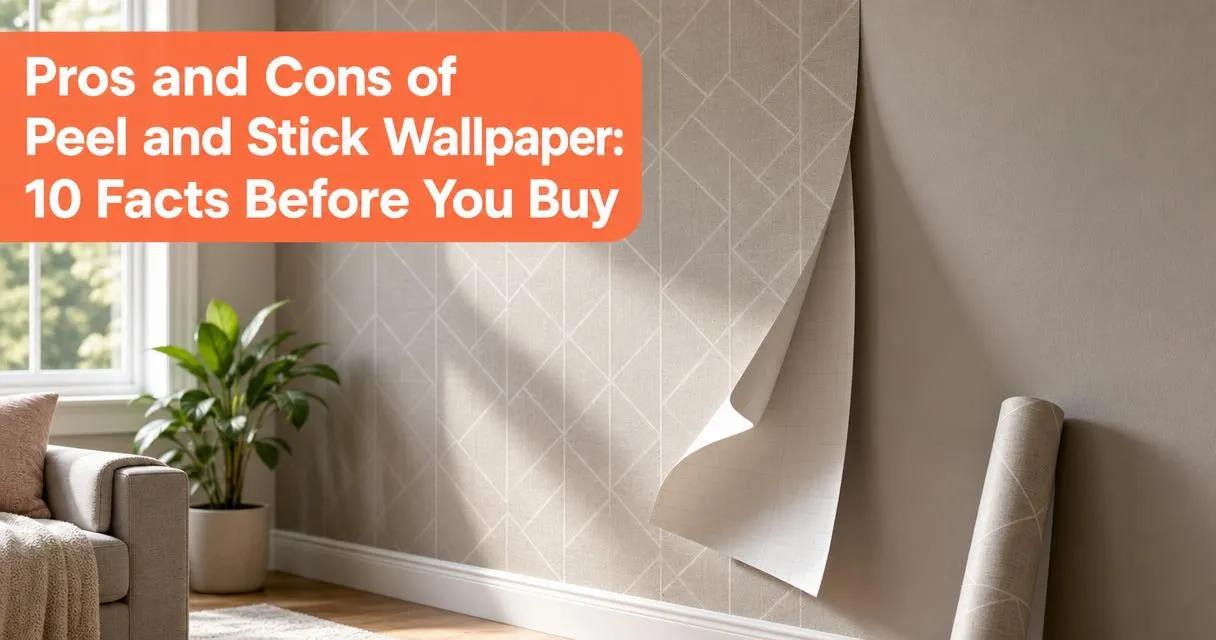
You’re standing in front of a wall that needs personality. Should you commit to traditional wallpaper or try the removable stuff you can install this weekend?
Neither option wins every scenario. The wrong choice wastes money on rework whether you’re renting or renovating for the long haul. This guide covers 4 advantages and 6 real drawbacks of peel and stick wallpaper, plus how it stacks up against the traditional alternative.
Key Takeaways
- Peel and stick installs fast without paste, but misaligning the first panel throws off your entire wall and wastes material
- Lifespan runs 1 to 5 years, and surface prep determines actual lifespan depending on humidity and traffic
- Mold grows behind vinyl panels in bathrooms or poorly ventilated rooms where moisture gets trapped against drywall
- Cost per roll sits near traditional wallpaper, but shorter lifespan means replacing twice before traditional needs refreshing
- Smooth painted drywall works well, but texture and fresh paint cause failure on unprimed or uncured surfaces
- Traditional wallpaper lasts 10+ years and adheres to more surfaces, but removal requires scoring and scraping
- Clean removal depends on wall quality, as peel and stick can pull off weak paint or damage improperly finished drywall
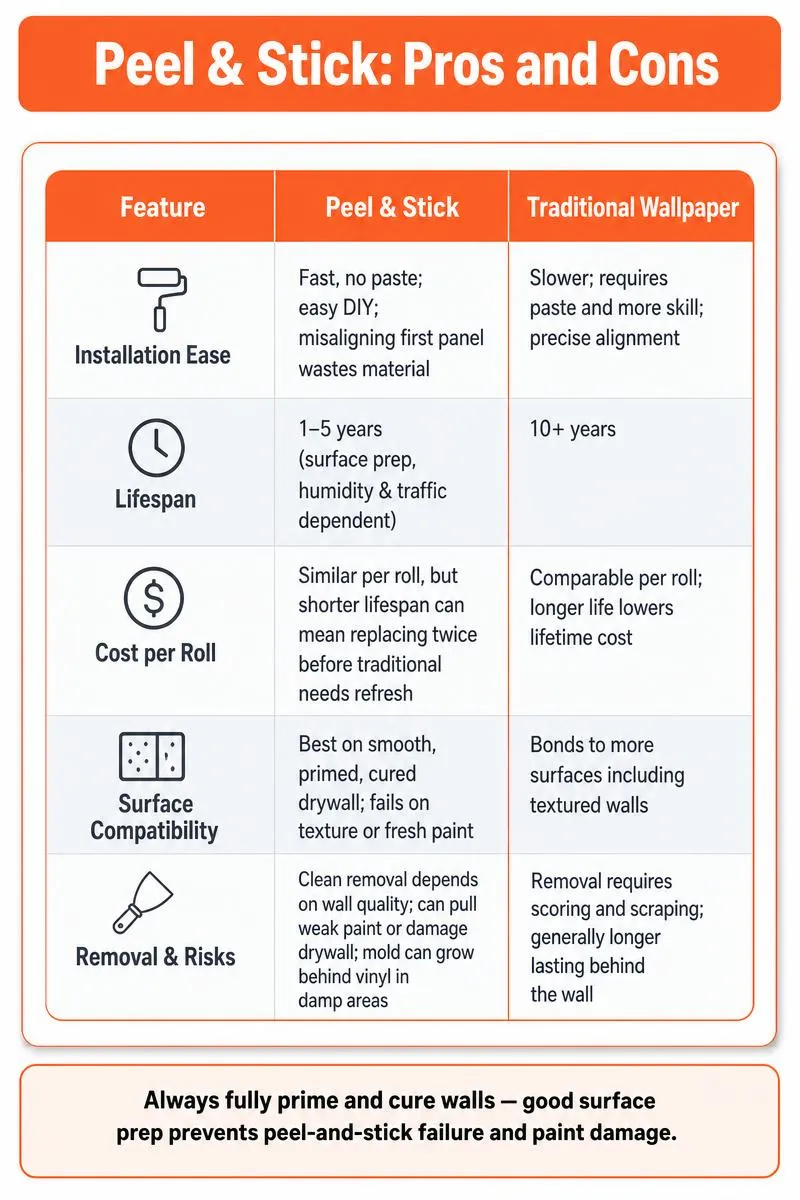
Pros And Cons Of Peel And Stick Wallpaper at a Glance
| Feature | Peel & Stick | Traditional Wallpaper |
|---|---|---|
| Installation Ease | Fast, no paste; DIY-friendly; alignment-critical | Slower; requires paste; more skill |
| Lifespan | 1–5 years (prep & humidity dependent) | 10+ years |
| Cost per Roll | Similar per roll; may need earlier replacement | Comparable per roll; lower lifetime cost |
| Surface Compatibility | Best on smooth, primed, cured drywall; fails on texture or fresh paint | Bonds to more surfaces, incl. textured walls |
| Removal & Risks | May pull weak paint or damage drywall; mold risk in damp areas | Requires scoring & scraping; generally longer lasting |
Quick Comparison: Peel and Stick vs Traditional Wallpaper
- Installation difficulty: Peel and stick wins for inexperienced DIYers. Traditional requires paste mixing, booking time, and pattern matching skills most homeowners don’t have.
- Removability: Peel and stick peels off in minutes on proper surfaces. Traditional needs a scoring tool, warm water or chemical remover, and an afternoon of scraping.
- Lifespan: Peel and stick lasts 1 to 5 years. Traditional delivers 10 to 15+ years with professional installation.
- Surface compatibility: Peel and stick works only on smooth, cured, painted drywall. Traditional adheres to textured walls, plaster, and lightly imperfect surfaces.
- Cost: Peel and stick saves on labor but needs replacement sooner. Traditional costs more upfront with professional installation but spreads cost over time.
- Bathroom suitability: Neither thrives in high humidity without proper ventilation. Traditional with mold-resistant paste performs better for long-term bathroom use.
Related Reading
A guide to top interior paint options and finishes for whole-house projects, helpful when weighing paint vs removable…
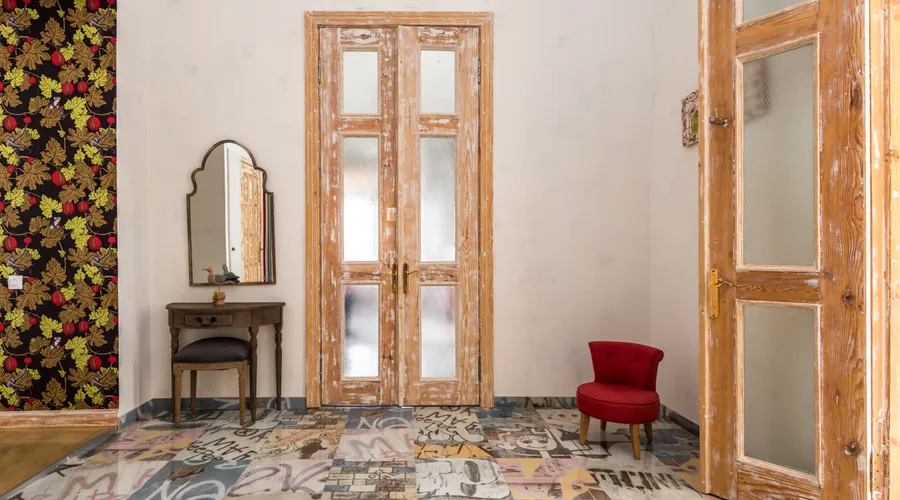
What Is Peel and Stick Wallpaper?
Peel and stick wallpaper has a self-adhesive backing that activates when you peel off the protective liner. You position the panel on the wall, smooth out bubbles, and trim excess without mixing paste or soaking paper.
It works best in specific scenarios:
- Smooth painted drywall with fully cured paint handles peel and stick reliably
- Flat surfaces in low-traffic rooms extend panel lifespan
- Temporary installations benefit from clean removal without residue
Installs fast for beginners who can handle measuring and cutting straight lines. You avoid the mess of paste and the wait for booking time. Removal leaves no residue on cured walls when the finish is sound.
The trade-offs include failure on textured surfaces and pattern matching challenges on complex designs. Color shifts between online photos and the actual product add frustration. Small pattern repeats multiply alignment errors.
Vinyl panels don’t stretch or compress to hide imperfect wall dimensions the way traditional paper can. This rigidity means every wall irregularity shows through the finished installation.
What Is Traditional Wallpaper?
Traditional wallpaper requires separate adhesive paste applied to either the back of the paper or directly onto the wall, depending on the product type. The paper needs booking time to absorb moisture and expand before you hang it. Professional installers handle most whole-room jobs because alignment and seam work demand experience.
It’s built for long-term homeowners, high-traffic areas, and walls with texture or minor imperfections that peel and stick can’t handle. Delivers 10+ years before wear shows on properly installed walls. The style range includes textures, flocked finishes, and custom prints not available in peel and stick formats.
The downsides include messy installation that takes a full day or more for an average room. Removal damages drywall finishes and often requires chemical solvents. Higher total cost comes when you add professional labor to materials.
Mistakes during install are harder to fix once paste begins setting. Errors become permanent quickly compared to peel and stick’s brief repositioning window.
Ease of Installation
Peel and stick wallpaper wins for anyone tackling their first wallpaper project. You measure and cut panels to length, then peel the backing and smooth the panel onto the wall from top to bottom. Repositioning works for about 30 seconds before the adhesive bonds too firmly.
Traditional wallpaper requires paste consistency judgment, booking time calculation, and seam-rolling technique that most DIYers get wrong on their first attempt. You’re working against a ticking clock once paste hits paper. Bubbles or misalignment become permanent if you don’t catch them immediately.
The most critical mistake with peel and stick? First panel misalignment compounds errors across every subsequent panel. If your starting edge isn’t plumb, patterns won’t meet at corners or you’ll run out of wall space.
Traditional installers use plumb lines and compensate through experience. Peel and stick offers no margin for beginners who skip the level.
Cost Comparison
Peel and stick wallpaper costs $30 to $80 per roll for standard designs, close to mid-range traditional wallpaper pricing. You save the entire labor cost by installing it yourself. Total project cost drops to materials and basic tools like a smoothing tool and utility knife.
Traditional wallpaper runs $40 to $100+ per roll for quality products. Professional labor adds $200 to $600 for an average bedroom. That upfront cost spreads over years of use, dropping the annual cost below what you’d pay replacing peel and stick every 3 to 5 years.
Peel and stick looks cheaper at the register but costs more long-term when you account for replacement cycles. Traditional wins the long-term cost battle if you’re staying in the home and want the finish to outlast your next paint refresh.
Related Reading
Recommendations for moisture-resistant paints and finishes, useful for readers concerned about peel-and-stick…
Durability and Lifespan
Peel and stick wallpaper lasts 1 to 5 years depending on room traffic and humidity levels. How thoroughly you cleaned and primed the wall before application also affects lifespan.
Edges lift first in high-traffic areas or rooms with temperature swings. The adhesive weakens gradually even when panels stay flat.
Traditional wallpaper installed by a professional delivers 10 to 15+ years before fading, seam separation, or surface wear appears. High-quality paper in low-traffic rooms outlasts multiple paint refreshes before requiring replacement.
Surface prep determines actual lifespan for both types. Peel and stick fails within months on dusty, textured, or freshly painted walls. Traditional wallpaper survives minor surface imperfections because paste fills gaps mechanically rather than relying on surface adhesion.
Surface Compatibility
Peel and stick wallpaper works only on smooth, non-textured walls with fully cured paint applied at least two weeks prior. It fails on multiple surface types:
- Orange-peel texture creates air pockets that prevent adhesion
- Knockdown finishes cause panels to sag or peel within days
- Unprimed drywall pulls off during removal
- Dusty or moist surfaces prevent the adhesive from bonding
- Fresh paint under two weeks old hasn’t cured enough, so adhesive pulls paint off during removal
Traditional wallpaper adheres to more surface types than peel and stick can handle:
- Lightly textured walls where peel and stick fails
- Aged plaster with minor surface imperfections
- Previously painted surfaces with proper prep
- Over old wallpaper if you prep correctly
Paste creates a mechanical bond that fills gaps and adheres to imperfect surfaces. Professional installers can skim-coat or sand problem areas before hanging.
Texture kills peel and stick before you finish the first wall. Air pockets form at every texture peak. Adhesive contact drops below the threshold for bonding, and panels sag or peel within days.
Traditional wallpaper bridges small texture variations because wet paste conforms before drying.
Removal Process
Peel and stick wallpaper peels away from the wall in full sheets when installed on properly prepared, sound drywall with cured paint. You start at a top corner and pull slowly at a 45-degree angle. The panel releases without residue or damage.
Removal takes minutes per panel and requires no tools or chemicals. Traditional wallpaper removal starts with scoring the surface to let water penetrate, then soaking with warm water or wallpaper remover solution. You scrape softened paper and paste off in sections, then rinse the wall.
Sand any remaining residue before you can prime and paint. The process takes hours for a single room and often damages the drywall finish.
Peel and stick only removes cleanly under ideal conditions. Weak paint, improperly finished drywall, or panels left in place beyond their lifespan all cause damage during removal.
Removal damage can include:
- You may pull off the top paper layer of drywall
- You may strip latex paint down to the primer coat
- You may leave adhesive residue requiring solvents to remove
Which Should You Choose?
- Renters and short-term occupants should choose peel and stick for its clean removal on move-out day, as long as walls are smooth and paint is sound. You avoid losing your security deposit to wallpaper removal damage.
- Bathrooms and high-humidity rooms are poor candidates for either option without proper ventilation. Traditional with mold-resistant paste performs better than peel and stick, which traps moisture against drywall.
- Long-term homeowners wanting durability should invest in traditional wallpaper. The higher upfront cost pays off over time, and you gain access to better designs and textures.
- Accent walls and seasonal decor favor peel and stick for speed and flexibility. You can install a feature wall in an afternoon and change it when trends shift.
- Textured or freshly painted walls need either a full cure period of 30 days minimum or traditional wallpaper with proper surface prep. Peel and stick fails immediately on texture.
FAQs
1. What are the downsides of peel and stick wallpaper?
The main downsides are short lifespan (1 to 5 years), failure on textured or freshly painted walls, and potential for mold growth in humid spaces. Patterns often don’t match online photos. Misalignment errors waste material because you can’t reposition panels after the first 30 seconds.
2. How long does peel and stick wallpaper last?
Expect 1 to 5 years depending on room conditions and surface prep quality. High-traffic areas, bathrooms, and walls with poor prep push lifespan toward the lower end. Proper prep extends panel lifespan toward the higher end before edges lift or adhesive fails.
3. What are common mistakes with peel and stick wallpaper?
Skipping the plumb line on the first panel throws off every subsequent piece and ruins pattern alignment. Other common mistakes include:
- Installing over fresh paint under two weeks old prevents proper adhesion
- Applying to textured walls means adhesive can’t bond to the surface
- Failing to clean dust or grease off the surface causes panels to lift
4. Can mold grow behind peel and stick wallpaper?
Yes, mold grows behind peel and stick in bathrooms and poorly ventilated rooms where moisture condenses on the drywall. Vinyl traps humidity against walls, creating ideal conditions for mold between the panel and drywall surface.
5. Does peel and stick wallpaper damage walls?
It damages walls with weak paint, improperly finished drywall, or paint that hasn’t cured for at least two weeks. On sound, properly prepared surfaces, it removes cleanly without damage. The risk increases the longer you leave it in place beyond its lifespan.
6. Does peel and stick wallpaper work in bathrooms?
Peel and stick performs poorly in bathrooms unless you have excellent ventilation and keep humidity low. Moisture causes mold behind vinyl and leads to adhesive failure. Traditional wallpaper with mold-resistant paste is the better choice for bathroom installations.
7. Does peel and stick wallpaper look cheap?
Quality peel and stick looks identical to traditional wallpaper once installed. The cheap appearance comes from pattern misalignment and visible seams from poor installation. High-end peel and stick with proper install reads as professional wallpaper.
8. How do you prepare walls before applying peel and stick wallpaper?
Prepare your walls with these steps:
- Clean the wall with a damp cloth to remove dust, grease, and debris, then let it dry completely
- Verify paint has cured for at least two weeks and the surface is smooth with no texture
- Fill any holes or divots, sand smooth, and wipe clean before starting your install
Final Verdict
Peel and stick wallpaper wins for renters, accent walls, and short-term spaces where you have smooth, properly cured painted drywall. It gives you flexibility to change designs every few years. Traditional wallpaper delivers better results for whole-room installations, textured walls, and long-term homeowners who want 10+ years from a single install.
The choice depends less on budget and more on your timeline and wall conditions. Test a small section before committing to either option.
Buy a single roll and install it in a low-visibility spot like a closet. Wait a week, then try removing it. You’ll learn whether your walls handle peel and stick or need traditional’s durability.
If you’re in the Denver metro area and unsure whether peel and stick or traditional wallpaper suits your space, a quick wall assessment can prevent costly mistakes. Our team handles wallpaper installation and wall prep, and can advise whether painting or a wallcovering is the better choice: see our interior painting services for how we prepare and finish walls. Call us at 720-831-8998 to arrange a straightforward evaluation based on your room, surface, and timeline.