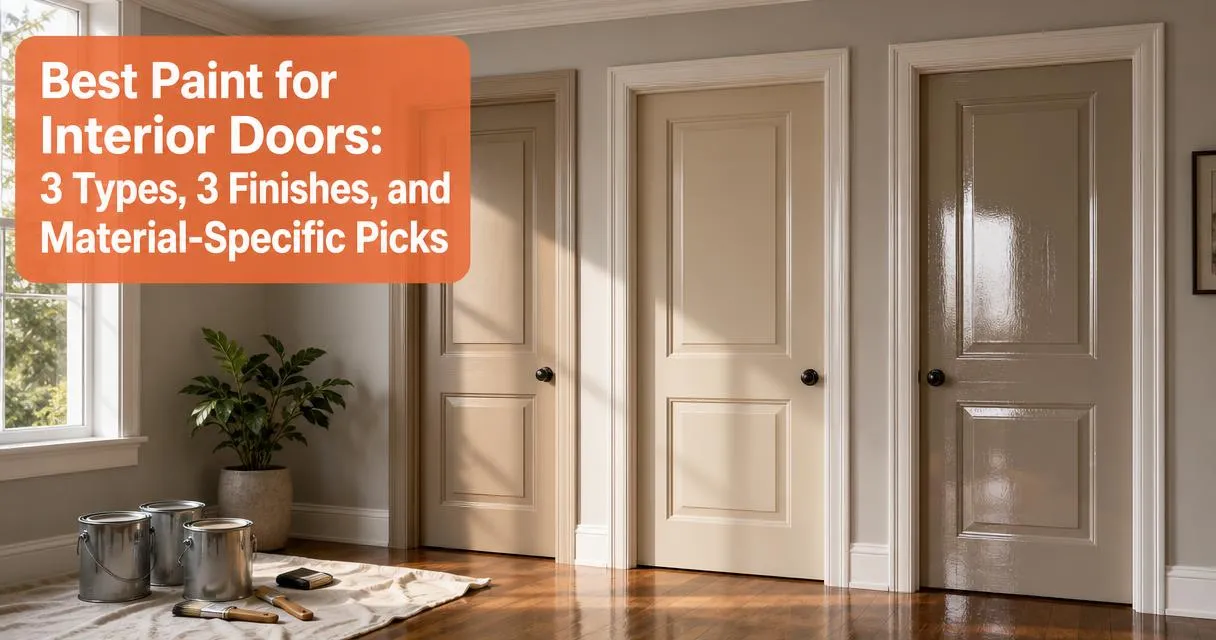
Most homeowners walk into the paint store ready to pick a color, then discover they need to choose between three paint types, five finishes, and a dozen brands. The door material, room function, and traffic level all shift the ideal choice. There’s no universal best, but waterborne alkyd with a semi-gloss finish handles the widest range better than cheaper alternatives.
Key Takeaways
- Waterborne alkyd paint delivers oil-like hardness with water cleanup, making it the best all-around choice for interior doors
- Semi-gloss finish balances easy cleaning with moderate sheen, working well for most door locations
- MDF doors require solvent-based primer before painting, or the wood fibers swell and roughen the surface
- High-traffic doors like bathrooms and kitchens need harder paint formulas, while bedroom doors tolerate softer finishes
- Bare wood, patched surfaces, and drastic color changes require primer for proper adhesion and stain blocking
- Matching door and trim paint creates visual consistency and simplifies future touch-ups
- Low-VOC water-based paints matter most in bedrooms and nurseries where ventilation stays limited
Best Paint For Interior Doors Compared
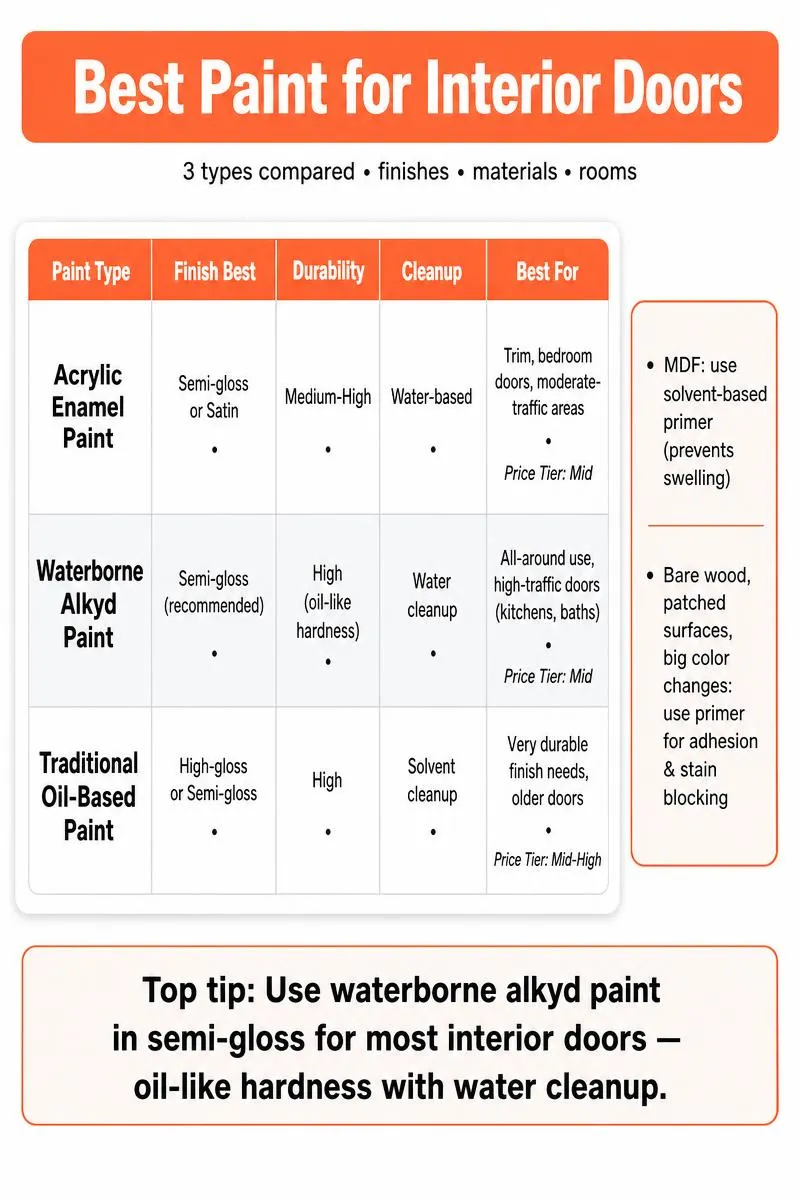
| Paint Type | Finish Best | Durability | Cleanup | Best For |
|---|---|---|---|---|
| Acrylic Enamel Paint | Semi-gloss or Satin | Medium-High | Water-based | Trim • bedroom doors • moderate-traffic areas • Price Tier: Mid |
| Waterborne Alkyd Paint | Semi-gloss (recommended) | High (oil-like hardness) | Water cleanup | All-around use • high-traffic doors (kitchens, baths) • Price Tier: Mid |
| Traditional Oil-Based Paint | High-gloss or Semi-gloss | High | Solvent cleanup | Very durable finish needs • older doors • Price Tier: Mid-High |
Quick Comparison
- Acrylic enamel works best for budget projects with moderate-traffic doors. Dries in 1-2 hours between coats with good durability for residential use. Water cleanup.
- Waterborne alkyd delivers the smoothest professional finish for high-traffic and visible doors. Recoats in 4-6 hours with durability matching oil-based formulas. Water cleanup.
- Oil-based paint provides maximum wear resistance when VOCs aren’t a concern. Recoats in 6-8 hours with superior durability but slow curing. Mineral spirits cleanup.
Related Reading
Best paint for interior doors and trim
An in-depth buyer’s guide focused specifically on paints and finishes for doors and trim, including recommended…
Paint Types Compared
Each paint chemistry delivers different trade-offs in application ease, drying time, and final hardness. Your choice depends on how much wear the door sees and whether you’re willing to deal with solvents.
1. Acrylic Enamel Paint
Acrylic enamel uses water as the carrier but adds harder resins than standard wall paint. It dries fast enough to apply two coats in one day. It adheres well to primed surfaces and cleans up with soap and water.
The formulas sold as “door and trim” paint contain more binder than wall paint, creating a tougher scuff-resistant surface. This paint type works best for moderate-traffic doors in bedrooms, offices, and guest rooms where cleaning happens occasionally.
Budget projects benefit most from acrylic enamel. Quality formulas cost less per gallon than waterborne alkyd while still outlasting standard latex.
The downsides show up under heavy use. Acrylic enamel doesn’t self-level as smoothly as alkyd formulas, so brushstrokes stay more visible. It also softens slightly when scrubbed with cleaners, eventually dulling the sheen over time.
2. Waterborne Alkyd Paint
Waterborne alkyd combines oil-like resins with a water carrier. This creates paint that flows and levels like oil-based but cleans up with water. The resins cure harder than acrylic, producing a smooth, glass-like surface when dry.
Brands like Benjamin Moore Advance and Sherwin-Williams ProClassic use this chemistry. This paint type handles high-traffic doors, visible entry doors, and any location where you want professional smoothness. It resists scuffs better than acrylic and maintains its sheen through repeated cleaning.
The longer open time lets you work brushstrokes out before the paint sets. The main drawback is drying time. Waterborne alkyd takes longer between coats than acrylic, usually requiring 4-6 hours before recoating.
It also costs more per gallon, though the improved durability and appearance often justify the premium for front-facing doors.
3. Traditional Oil-Based Paint
Oil-based paint uses alkyd resins suspended in mineral spirits, creating the hardest finish available for interior doors. It self-levels better than any water-based formula. The cured surface resists dents and repeated scrubbing.
Professional painters still reach for oil-based when maximum durability matters. This paint type works best when you need the longest-lasting finish and can tolerate the downsides.
Rental properties with high turnover, commercial doors, and heavily-used pantry or basement doors benefit from the extra toughness.
Oil-based paint releases high levels of VOCs during application and curing, requiring ventilation for days. It takes 6-8 hours between coats and needs mineral spirits for cleanup. Most regions now restrict or ban oil-based paint for residential use, making waterborne alkyd more practical.
Which Paint Finish Is Best?
Finish refers to sheen level, which affects both appearance and cleanability. Higher gloss makes surfaces easier to wipe down but shows every flaw in the underlying door.
1. Satin Finish
Satin finish produces a low sheen that reads almost flat in dim light but shows a soft glow under direct lighting. The lower reflectivity hides minor surface imperfections like filled nail holes or slight texture variations. It works well when visual smoothness matters more than frequent cleaning.
The downside appears when you try to wipe the surface. Satin finish doesn’t release dirt and handprints as easily as higher sheens, requiring more scrubbing to remove marks. Over time, scrubbing can create shiny spots where people touch the door most.
Satin makes sense for low-traffic bedroom doors, closet doors, and interior doors in adult-only homes where cleaning happens infrequently.
2. Semi-Gloss Finish
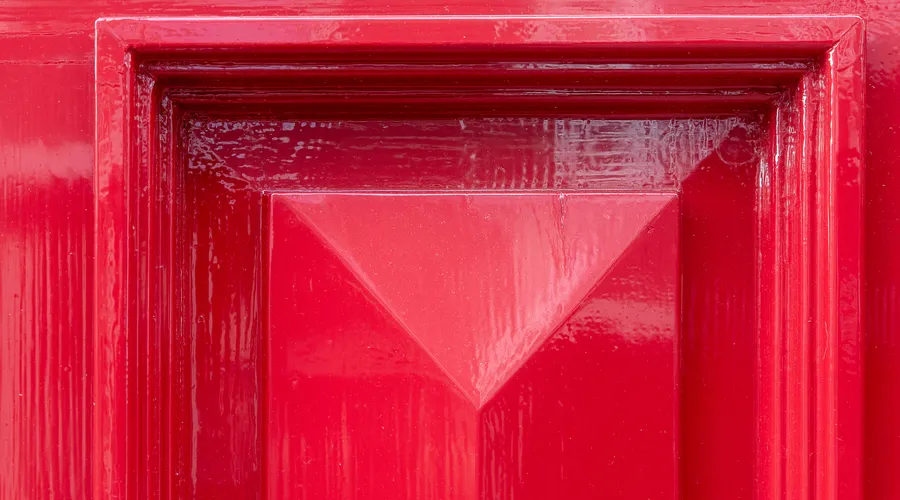
Semi-gloss strikes the middle ground between appearance and maintenance. It produces noticeable shine that reflects light without looking plastic or wet. The surface wipes clean with a damp cloth, making it the most popular choice for interior doors in family homes.
This finish highlights surface flaws more than satin but less than high-gloss. Proper prep work with sanding and filling becomes more important, but you don’t need glass-smooth perfection. The sheen level works in most rooms without looking too formal or too flat.
Semi-gloss handles bathroom moisture, kitchen grease, and hallway traffic. It’s the safe default when you’re unsure, working well in any room.
3. High-Gloss Finish
High-gloss creates maximum shine and the easiest-to-clean surface available. Nothing wipes down faster or resists staining better. The hard, shiny finish provides the most durable surface for high-contact areas like mudroom doors or doors that get kicked open.
The reflectivity reveals every surface imperfection. Sanding scratches, filled holes, and texture variations all show clearly under high-gloss. You need nearly perfect surface prep, which adds significant prep time.
The formal appearance also looks out of place in casual or rustic interiors. High-gloss works best for statement looks or maximum cleanability in kitchens, bathrooms, and laundry rooms.
Related Reading
Explains when paint-and-primer-in-one is appropriate and how it performs on high-touch surfaces like interior doors.
Best Paint by Door Material
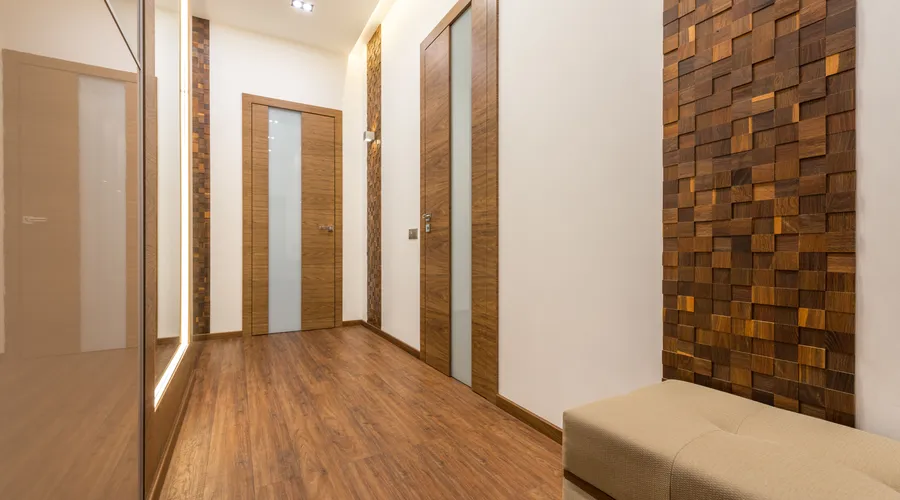
Door construction determines which primers and paints work best. Using the wrong product on MDF or hollow-core doors causes surface problems that show through the finish.
- Wood doors accept all three paint types once properly primed. Bare wood needs primer to seal the grain and block tannins from bleeding through light colors.
- Oil-based bonding primer like Zinsser Cover Stain provides superior adhesion. Latex primers also work if you avoid aggressive sanding that raises the grain.
- Previously painted wood in good condition only needs light sanding before topcoats. No primer required unless making a drastic color change.
- MDF doors require special attention because compressed wood fibers swell when exposed to water. Heavy water-based primer roughens the surface, creating a fuzzy texture that telegraphs through the topcoat.
- Solvent-based or shellac-based primer like BIN seals without raising fibers. After priming, any paint type works, though lighter coats of waterborne alkyd prevent over-saturation.
- Hollow-core doors have smooth factory-finished surfaces that accept paint easily. The lightweight construction means any paint type works without weight concerns.
- Light sanding to scuff the glossy factory finish improves paint adhesion. Skip primer if the existing finish is in good shape and you’re not making a drastic color change.
Best Paint by Room Type
Room function determines how much abuse the door takes and what finish makes sense.
- Bedroom and closet doors see light traffic with minimal cleaning needs. Satin or semi-gloss finish works, and acrylic enamel provides adequate durability.
- Bathroom and laundry room doors face constant moisture exposure. Semi-gloss or high-gloss in waterborne alkyd or acrylic enamel resists moisture without trapping it.
- Proper ventilation matters more than paint choice in bathrooms. Glossier finishes prevent water soaking and peeling.
- Kitchen doors deal with grease, food splatter, and frequent hand contact. Semi-gloss or high-gloss makes cleaning easier, and waterborne alkyd holds up under repeated scrubbing.
- Avoid satin in kitchens since grease embeds in the lower-sheen surface and resists cleaning.
Related Reading
Stain-resistant interior paint
Covers durable, easy-to-clean interior formulas useful for doors in busy areas and households with kids or pets.
Should Doors and Trim Use the Same Paint?
Using identical paint for doors and trim creates visual consistency since the sheen matches perfectly. When light hits both surfaces, they reflect the same amount, making the room look more cohesive. Matching also simplifies the project since you buy one product and use the same technique throughout.
Using the same product makes future touch-ups easier because you keep one can of paint instead of tracking separate formulas. If you repaint one door later, the sheen matches your baseboards and casing perfectly.
The only reason to use different products is if your trim needs heavy sanding and your doors don’t. In that case, faster-drying acrylic enamel works better for trim while waterborne alkyd goes on doors.
Low-VOC Paint Options
VOCs (volatile organic compounds) are chemicals that evaporate during painting and curing. They create fumes and indoor air quality concerns. Water-based paints emit far fewer VOCs than oil-based formulas.
Many waterborne alkyds qualify as low-VOC or zero-VOC under current regulations. Prioritize low-VOC paint in bedrooms where ventilation stays limited and people spend extended time.
Water-based acrylic enamel and waterborne alkyd both qualify, though specific VOC levels vary by brand and color. Darker colors sometimes require more VOCs to achieve proper pigment suspension.
Low-VOC paint performs identically once dry. The main difference appears during application when fumes stay minimal, letting you paint without leaving the house.
Signs It’s Time to Repaint
Interior door paint lasts 5-10 years depending on traffic and cleaning frequency. When specific problems appear, repainting restores the door’s appearance.
- Visible scuffs, chips, or peeling mean the paint has lost adhesion or worn through. Touch-ups rarely match, so full repainting restores uniform appearance.
- Surface that no longer wipes clean signals the finish has worn down. If dirt embeds rather than wipes away, repainting restores surface cleanability.
- Sticky or tacky feel on kitchen doors means grease has penetrated the finish. Deglossing and repainting fixes the problem, but thorough cleaning ensures adhesion.
Color fading is rare on interior doors since UV exposure stays minimal. Drastic style changes often trigger repainting even when the existing finish remains functional.
Popular Interior Door Colors
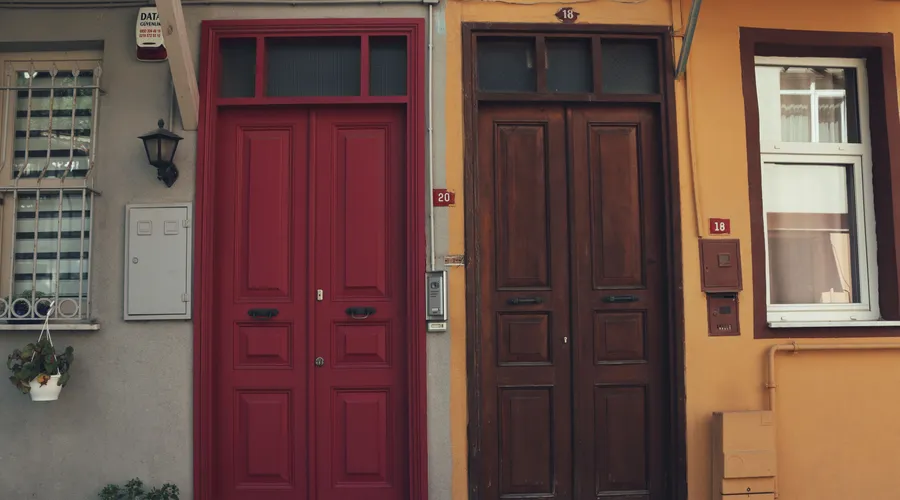
Color choice affects resale value and how much contrast the doors create against walls and trim.
- White remains the standard for versatility and broad appeal. It matches any wall color and keeps rooms feeling open. Most trim is white, so white doors create a unified look.
- Warm whites like Benjamin Moore White Dove or cooler whites like Sherwin-Williams Extra White let you match undertones to existing trim.
- Black doors create high contrast and statement appeal in modern or transitional interiors. Black shows dust and handprints more than white, requiring more frequent cleaning.
- The dramatic look works best when other room elements also use black or dark tones so doors don’t feel isolated.
- Color-matched doors create a seamless look where doors recede into the background. This approach works when you want walls to be the focus rather than doors.
FAQs
What type of paint is best for indoor doors?
Waterborne alkyd paint provides the best balance of durability, smooth finish, and easy cleanup for most interior doors. It levels better than acrylic enamel and avoids the VOCs and slow drying of oil-based paint.
What kind of paint do you use on internal doors?
Use door and trim paint, not wall paint. These formulas contain more binder and pigment to create a harder scuff-resistant surface. Semi-gloss or satin finish in waterborne alkyd or acrylic enamel works for most applications.
Should doors be eggshell or satin?
Neither is ideal. Eggshell is too flat for easy cleaning, while satin is the minimum acceptable sheen. Semi-gloss performs better for doors since it wipes clean more easily and holds up under repeated contact.
Do I need to prime an interior door before painting?
Prime bare wood, MDF, patched areas, and when changing from dark to light colors. Previously painted doors in good condition only need light sanding before topcoats. Primer blocks stains and improves adhesion.
Is satin or semi-gloss better for interior doors?
Semi-gloss is better for most doors because it wipes clean more easily and resists wear better. Satin works for low-traffic bedroom doors where appearance matters more than frequent cleaning.
Should doors and trim use the same paint?
Yes, using the same paint creates visual consistency and simplifies touch-ups. The matching sheen makes doors and trim look cohesive when light hits both surfaces.
What is the best paint for wood interior doors?
Waterborne alkyd in semi-gloss finish works best for wood doors. Prime bare wood first, then apply two coats of waterborne alkyd for a smooth, durable finish.
What is the best white paint for interior doors?
Benjamin Moore Advance in White Dove or Sherwin-Williams ProClassic in Extra White both use waterborne alkyd formulas that level smoothly and cure hard. Choose the specific white based on your trim’s undertones.
How long does interior door paint last?
Properly applied door paint lasts 5-10 years depending on traffic level and cleaning frequency. High-traffic doors may need repainting sooner, while bedroom doors often last a decade or more.
Final Verdict
Waterborne alkyd paint in semi-gloss finish covers most door situations. It levels smooth enough to look professional. It cures hard enough for high-traffic areas and cleans up with water instead of solvents.
Acrylic enamel works fine for budget projects and low-traffic doors, but the cost difference rarely justifies accepting lower durability on visible surfaces. Match your paint choice to the door material. MDF needs solvent-based primer before any topcoat, while wood and hollow-core doors accept water-based primer.
Traffic level matters more than room type when choosing finish. Use semi-gloss on high-touch doors. Prime bare wood, patch repairs, and drastic color changes before topcoating.
Two thin coats always outlast one thick coat.
Front Range Paint Pros is based in Denver and serves homeowners across the Denver metro area who need help selecting or applying paint for interior doors. If you want guidance on product choices or a professional finish, contact us for a color consultation or to schedule door work through our interior painting services. Call 720-831-8998 to discuss options and get a quote.